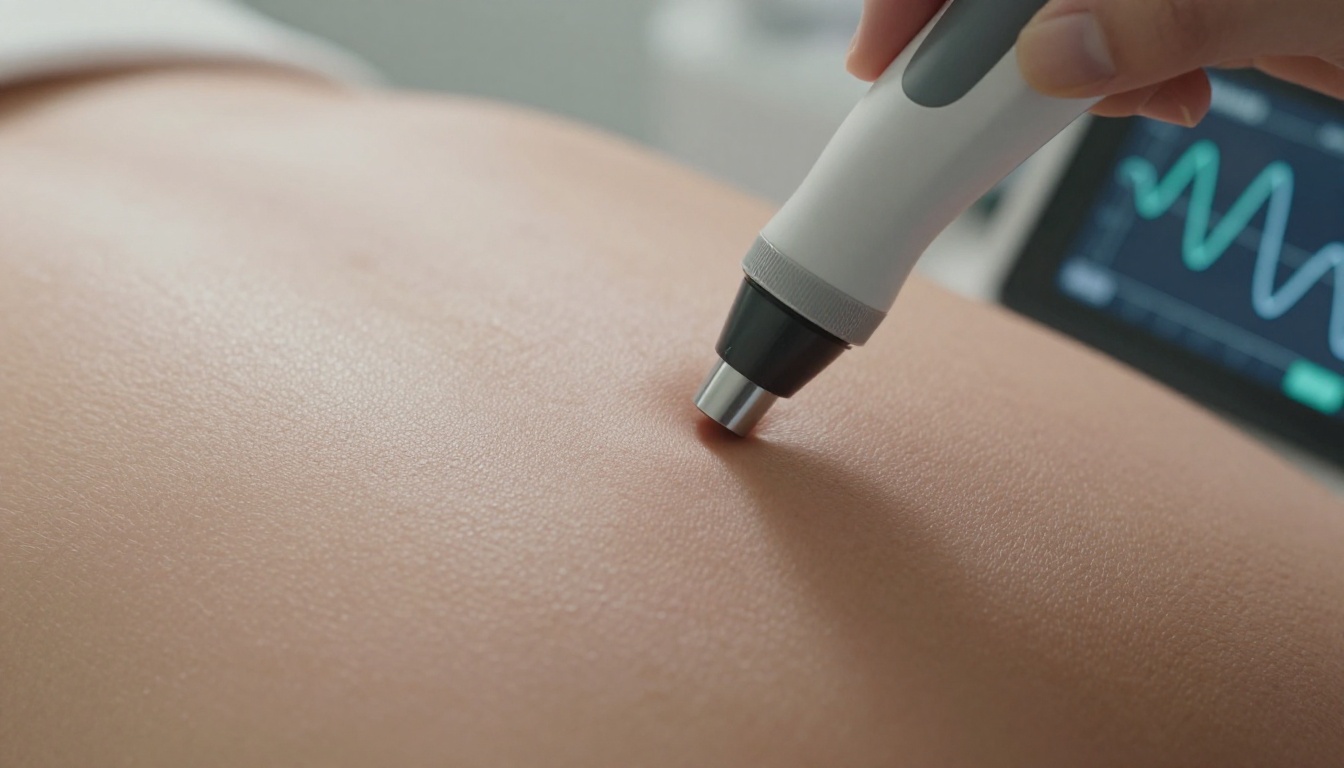
New research explores how electrical impedance spectroscopy could help patients with atypical mole syndrome avoid unnecessary biopsies while improving early melanoma detection.
For people with albinism, skin cancer surveillance is a lifelong health priority. New research published in the Journal of Investigative Dermatology offers hope for more accurate melanoma screening, particularly for those with multiple or atypical moles.
The study focused on electrical impedance spectroscopy (EIS), a non-invasive technology that measures the electrical properties of skin tissue. Researchers examined how EIS might benefit patients with atypical mole syndrome—a condition where individuals have numerous unusual-looking moles that can be difficult to distinguish from early melanomas.
Understanding the Technology
According to the researchers, EIS works by sending tiny, harmless electrical currents through the skin and measuring how tissues respond. The technology generates a numerical score that helps dermatologists determine which moles might need biopsy and which can safely be monitored.
This approach is particularly valuable for people with albinism, who have a significantly higher risk of developing skin cancers due to reduced melanin protection against UV radiation damage. Many patients with albinism develop numerous moles that require regular monitoring.
Study Findings
The cross-sectional study evaluated the EIS scores of clinically stable moles in patients with atypical mole syndrome at initial visits and then again at follow-up appointments 2-6 weeks later. Researchers assessed the test-retest reliability of the technology—essentially determining whether the device provides consistent readings over time.
While this specific study focused on patients with atypical mole syndrome rather than albinism specifically, the findings have important implications for all patients requiring intensive skin monitoring. The Journal of Investigative Dermatology report suggests that this technology may help reduce unnecessary biopsies while improving early detection of concerning lesions.
For the albinism community, advancements in non-invasive screening technologies represent a significant step forward in skin health management. More precise screening methods could mean fewer unnecessary procedures while ensuring that truly dangerous lesions are identified early when treatment is most effective.
Keywords
Core topics and entities mentioned in this summary.