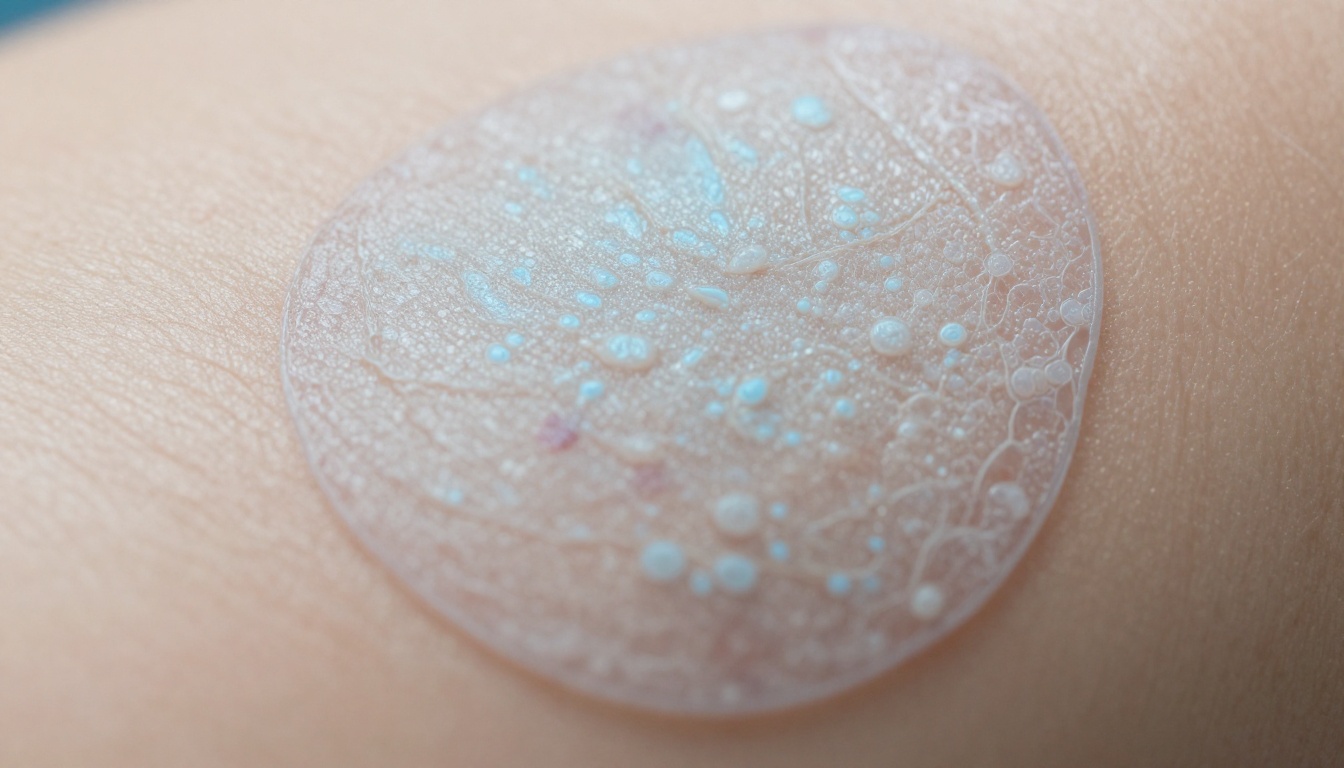
Research identifies cellular and molecular changes in early stages of a chronic skin condition that affects people with albinism and the general population.
Understanding the early stages of chronic skin conditions is crucial for developing better treatments. A new study published in the Journal of Investigative Dermatology offers insights into hidradenitis suppurativa (HS), a painful inflammatory skin disease that affects people with and without albinism.
HS is a chronic condition that primarily impacts areas with apocrine sweat glands, such as the armpits, groin, and under the breasts. While advanced stages of HS are well-studied, researchers note that the immune mechanisms driving early disease development have remained poorly understood.
According to the research, scientists analyzed full-thickness skin biopsies from patients with early-stage HS lesions (Hurley stages I–II) using advanced techniques including spatial RNA sequencing and imaging mass cytometry. These methods allowed researchers to examine the cellular and molecular environment of early HS lesions in unprecedented detail.
Understanding Disease Progression
While the study focused on early inflammatory processes, this research is particularly relevant for the albinism community, as proper skin care and early detection of skin conditions are important aspects of health management for people with albinism.
For individuals with albinism who have reduced melanin protection, understanding inflammatory skin conditions becomes even more crucial, as early recognition and treatment can prevent progression to more severe stages.
This research represents a step toward better characterizing the early immune environment of HS, which could eventually lead to improved diagnostic approaches and targeted treatments for people affected by this challenging skin condition.
Keywords
Core topics and entities mentioned in this summary.