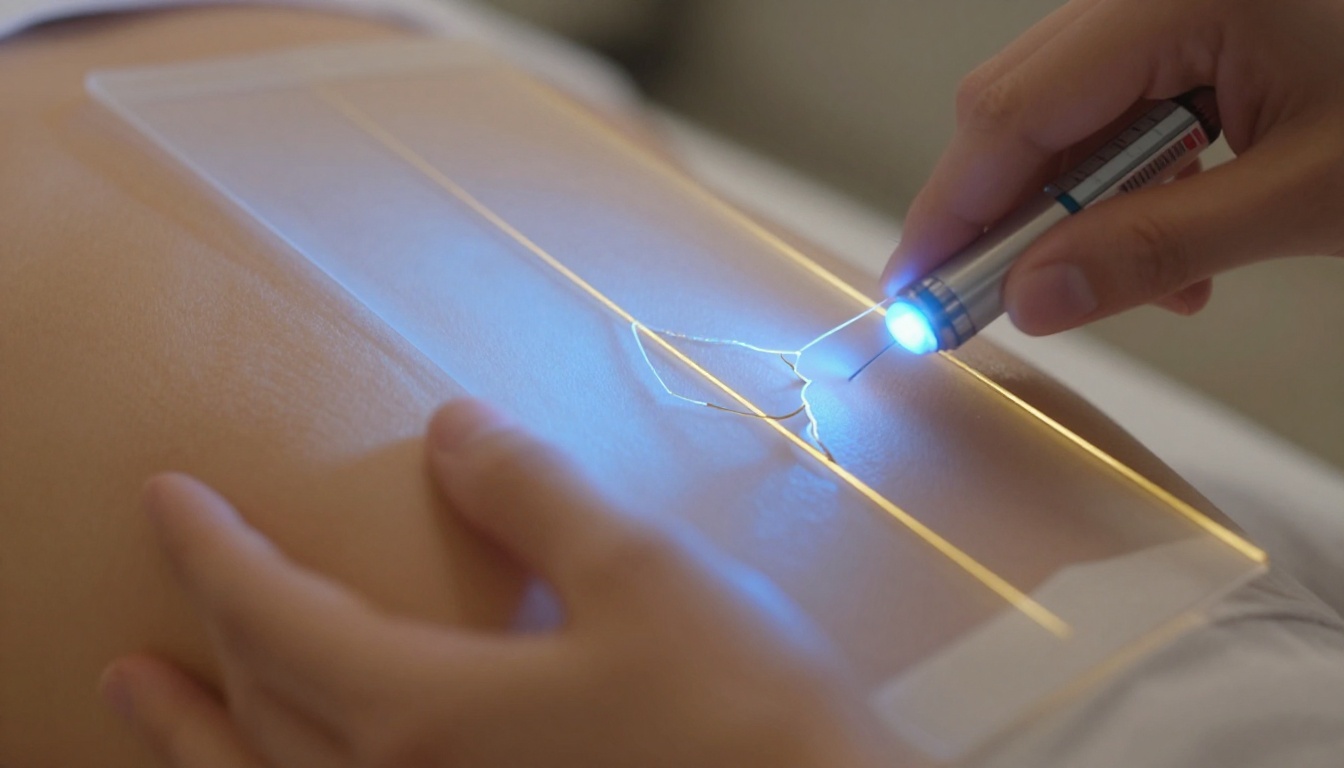
New research reveals blue light's potential to disrupt skin barrier function, raising important considerations for people with albinism who need extra skin protection.
For people with albinism, understanding all potential sources of skin damage is crucial for maintaining health and preventing complications. While ultraviolet (UV) radiation has long been recognized as harmful, emerging research suggests another light source may also warrant attention.
A recent study published in the Journal of Investigative Dermatology has examined how blue light—the high-energy visible light emitted by the sun and digital devices—might affect skin barrier function.
According to the researchers, blue light has unique properties that distinguish it from other types of light. It has the shortest wavelength in the visible light spectrum, positioning it adjacent to UV radiation. The study notes that blue light's irradiance is approximately 1.8 times greater than UV light, and it can penetrate more deeply into skin layers, potentially reaching the dermis and beyond.
What makes this finding particularly relevant for the albinism community is that while most people with albinism already practice vigilant UV protection, they may be less aware of potential risks from blue light exposure.
Understanding Skin Barrier Function
The skin barrier serves as our body's first line of defense against environmental threats, infections, and moisture loss. For people with albinism who already face increased vulnerability to sun damage, maintaining optimal skin barrier function is especially important.
The research indicates that environmental factors significantly influence skin barrier integrity, with sun radiation being among the most impactful. While previous studies have extensively documented UV damage, the effects of visible light—particularly blue light—have received much less attention until now.
Implications for People with Albinism
This research provides valuable insights that may help inform more comprehensive skin protection strategies for people with albinism. As our understanding of different light wavelengths and their effects on skin continues to evolve, so too might recommendations for protective measures.
It's important to note that this study represents early research into blue light's effects on skin, and more investigation is needed to fully understand the practical implications, especially for those with different types of albinism.
As digital device use continues to increase worldwide, understanding all sources of potential skin stress becomes increasingly relevant for everyone—particularly for communities like people with albinism who already prioritize skin protection as a health necessity.
Keywords
Core topics and entities mentioned in this summary.