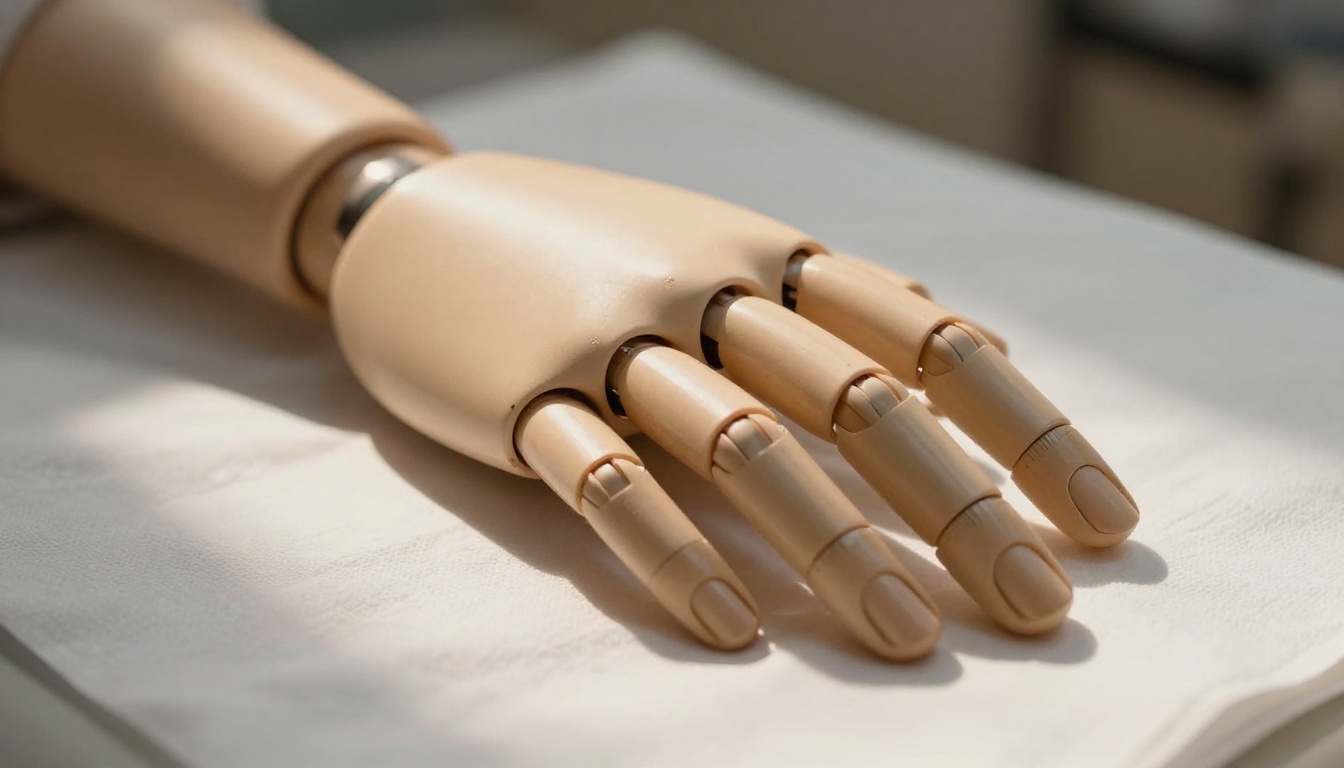
Children with albinism who survived attacks in Tanzania are receiving medical care and prosthetic limbs through a specialized program in the United States.
Five children from Tanzania who lost limbs in attacks fueled by superstitious beliefs about albinism are receiving life-changing medical care in the United States. According to Reuters, these young survivors are being fitted with prosthetic limbs at Shriners Children's Hospital in Philadelphia.
People with albinism in certain regions of Africa, particularly Tanzania, face horrific persecution due to dangerous myths that their body parts possess magical properties. These harmful superstitions have led to numerous attacks, particularly targeting children. The victims in this medical program survived such attacks but were left with amputated limbs.
"These children have endured unimaginable trauma," a hospital representative told Reuters. "Our goal is not just physical rehabilitation but helping them reclaim their confidence and independence."
Medical Care and Rehabilitation
The specialized program provides comprehensive care including properly fitted prosthetics designed to grow with the children, physical therapy, and psychological support. Medical experts at Shriners are working to ensure the children can adapt to their new limbs and develop the motor skills needed for daily activities.
The prosthetics are specifically engineered to be durable and maintainable when the children return to Tanzania. Doctors emphasized that follow-up care has been arranged in Tanzania to monitor their progress and make adjustments as needed.
Advocacy Beyond Medical Care
This medical initiative is part of a broader advocacy effort to protect people with albinism in regions where they face persecution. The children's journey to the United States was facilitated through collaboration between medical professionals, humanitarian organizations, and advocacy groups dedicated to protecting the rights of people with albinism.
"Medical care alone cannot solve the underlying issue," an advocacy spokesperson noted in the Reuters report. "Continuous education and challenging harmful myths about albinism remain essential to preventing future attacks."
As these young survivors adapt to their new prosthetics, their stories highlight both the urgent need for protection of people with albinism and the positive impact of specialized medical intervention. Their resilience serves as a powerful reminder of the ongoing work needed to ensure the safety, dignity, and full inclusion of all people with albinism worldwide.
Keywords
Core topics and entities mentioned in this summary.