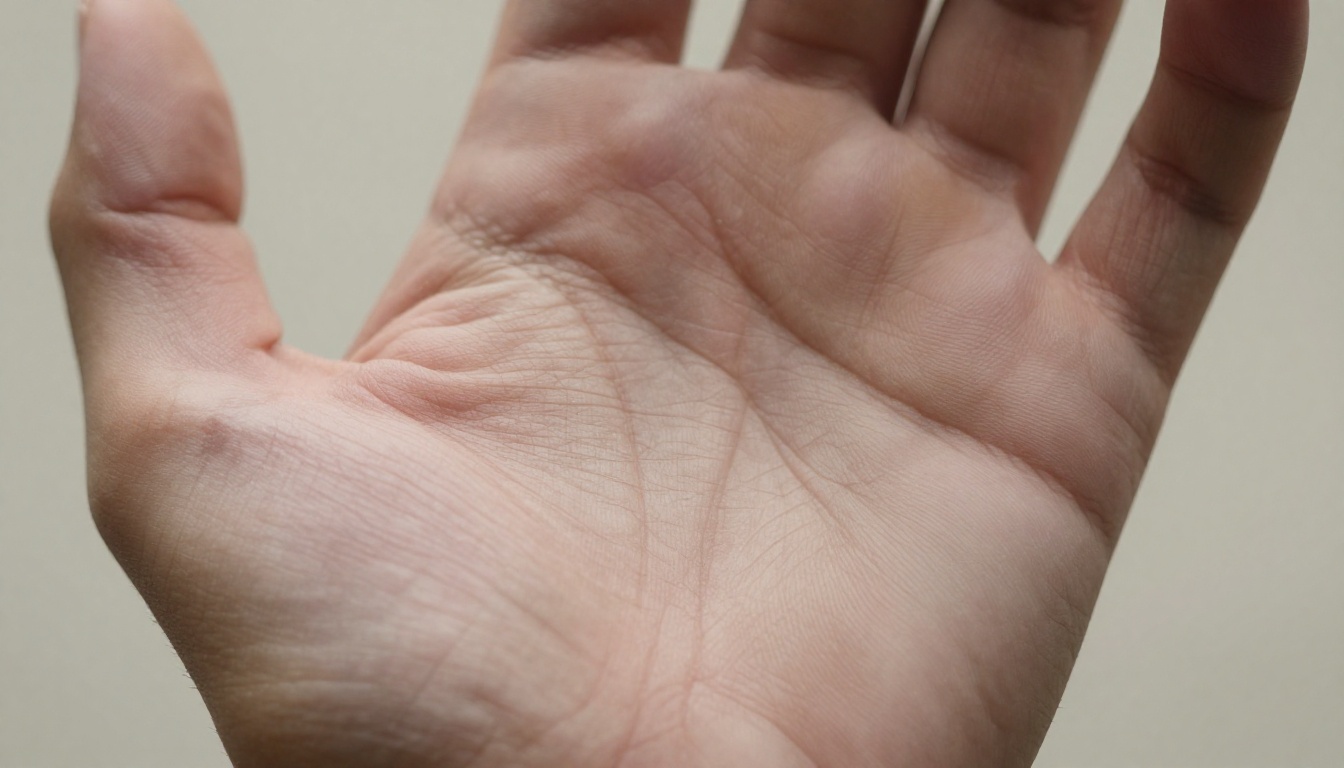
Recent research published in the Journal of Investigative Dermatology reveals genetic connections to palm crease patterns, with implications for understanding skin development.
The lines that cross our palms tell a fascinating story about human development and may offer important insights for the albinism community and broader genetic research.
According to a study published in the Journal of Investigative Dermatology, researchers have identified genetic associations with distinctive palm crease patterns in Han Chinese individuals. The research focuses on palmar flexion creases — those permanent lines on our palms that form between the 8th and 15th weeks of fetal development.
These creases aren't just random marks. The researchers note they serve an important functional purpose, enabling our skin to fold properly for free hand movement. Beyond their practical function, these creases have significance in medical assessment, as they can sometimes serve as markers for chromosomal abnormalities.
Understanding Palm Patterns
The study examines primary palm creases, which include the distal transverse, proximal transverse, and radial longitudinal creases. According to the research, these can be classified into different patterns based on their origin point on the radial (thumb) side of the hand — forming single, double, or triple radial base crease patterns.
For people with albinism, whose condition affects melanin production in the skin, understanding the full genetic picture of skin development remains an important area of research. While this study doesn't directly address albinism, it contributes to our growing knowledge of genetic influences on skin formation during early development.
As genetic research continues to advance our understanding of human development, studies like this one help build a more complete picture of the complex ways our genes shape our bodies — knowledge that may eventually contribute to broader understanding of various genetic conditions, potentially including albinism.
Keywords
Core topics and entities mentioned in this summary.