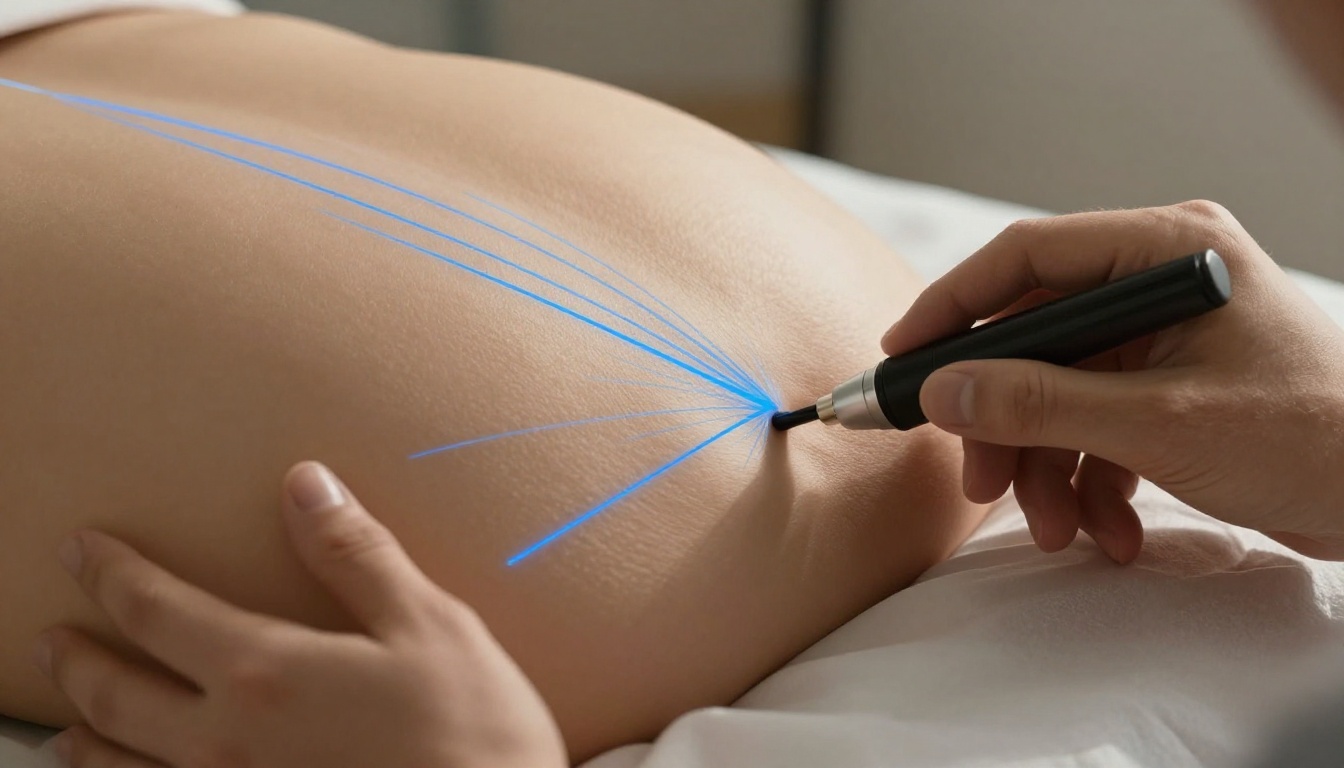
New research shows AI-assisted dermoscopy could help detect skin cancers earlier, potentially benefiting those with albinism who face higher skin cancer risks.
Early detection of skin cancer is particularly crucial for people with albinism, who face significantly higher risks due to reduced melanin protection. A promising new study published in the Journal of Investigative Dermatology suggests that artificial intelligence (AI) may soon make early detection more accessible and accurate.
The research comes at a critical time. According to the study, skin cancer rates are rising globally, while the ratio of dermatologists to patients continues to decline. For communities with albinism, where regular skin monitoring is essential, these healthcare gaps can have serious consequences.
AI Support for Earlier Detection
The study highlights how deep learning technology, particularly convolutional neural networks (CNNs), is now matching or even surpassing human clinicians in classifying potential skin cancers. Researchers found that these AI systems demonstrate high sensitivity and specificity when analyzing dermoscopic images of skin lesions.
This technological advancement could be particularly valuable for people with albinism, who typically require frequent and thorough skin examinations throughout their lives. The technology may enable general practitioners to provide more accurate preliminary assessments when specialist dermatologists are not immediately available.
Bridging the Healthcare Gap
For many people with albinism, especially those in regions with limited dermatological resources, waiting for specialist consultations can delay critical treatment. The researchers suggest that AI-enhanced dermoscopy could help bridge this gap by supporting general practitioners in improving their diagnostic capabilities.
While the study doesn't specifically focus on patients with albinism, the implications for this community are significant. Better access to accurate preliminary skin cancer screening could lead to earlier interventions and improved outcomes for a population that faces disproportionate skin cancer risks.
As this technology continues to develop, it represents a promising tool in the comprehensive skin care approach needed by people with albinism worldwide.
Keywords
Core topics and entities mentioned in this summary.