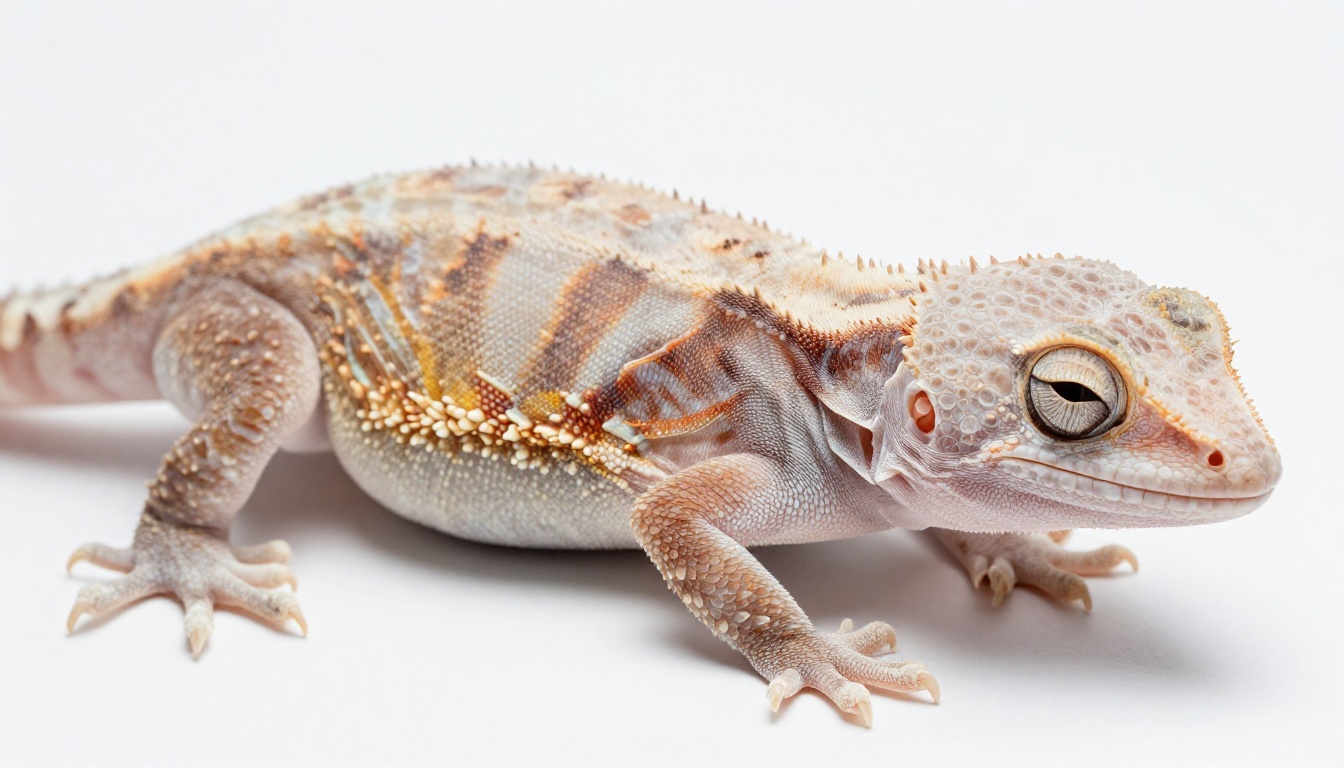
Researchers have successfully produced albino lizards through gene editing, marking a breakthrough in reptile genetics research.
For the first time, scientists have successfully created genetically modified reptiles, according to a report in New Scientist. The breakthrough comes in the form of albino anole lizards, representing a significant advancement in genetic research across different animal classes.
Until now, genetic modification in reptiles has proven exceptionally challenging for researchers. While scientists have successfully edited genes in mammals, birds, fish, and amphibians, reptiles have remained resistant to standard genetic engineering techniques due to their unique reproductive biology.
The research team achieved this milestone by targeting the tyrosinase gene, which is responsible for pigment production. By modifying this gene, they created lizards lacking the normal pigmentation—effectively producing animals with albinism. The albino anoles lack the typical green coloration of their species, instead displaying a pale appearance characteristic of albinism.
Scientific Significance Beyond Coloration
This achievement extends far beyond simply creating lizards with a different appearance. According to the New Scientist report, this genetic modification breakthrough opens doors to studying reptile biology in entirely new ways. The techniques developed could potentially help researchers better understand evolutionary relationships and develop models for studying various genetic conditions.
The ability to genetically modify reptiles may also provide new insights into human conditions. Many reptile species share genetic pathways with humans for various physiological processes, making them valuable research subjects for certain medical applications.
What This Means for Albinism Research
For the albinism community, this development represents another step in understanding the genetic foundations of pigmentation across species. The more scientists learn about how genes control pigmentation in different animals, the better they can understand the complex genetic mechanisms underlying human albinism.
While the research doesn't directly translate to new treatments for humans with albinism, each advancement in genetic understanding builds the foundation for potential future therapies and interventions.
Keywords
Core topics and entities mentioned in this summary.