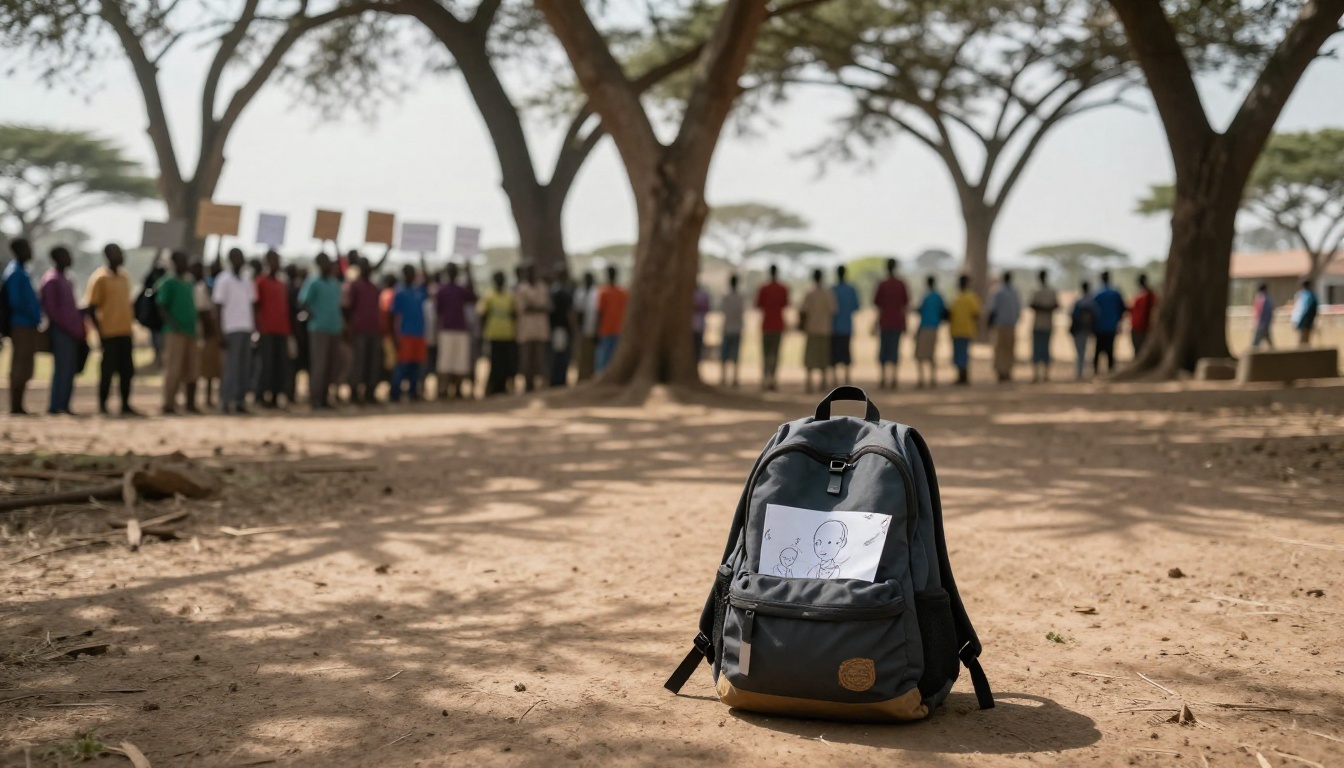
Recent incidents highlight the ongoing threats faced by children with albinism in parts of East Africa, despite advocacy efforts.
The safety and protection of children with albinism remains a significant concern in parts of East Africa, according to recent reports highlighted by Reuters. Advocacy organizations continue to document cases where children with the genetic condition face targeted violence due to harmful superstitions and myths.
In several East African countries, particularly Tanzania and Malawi, children with albinism continue to face threats stemming from dangerous beliefs that their body parts possess magical properties. These misconceptions have led to abductions, physical attacks, and in some cases, deaths.
"Every child deserves to grow up in safety, regardless of their genetic makeup," states the report from Reuters, which details recent incidents that have alarmed human rights organizations working in the region.
While many countries have strengthened their legal frameworks to protect people with albinism in recent years, implementation of these protections remains inconsistent, particularly in rural areas where superstitions can be more deeply entrenched.
Local advocacy groups, in partnership with international organizations, are working to combat these harmful beliefs through community education programs. These initiatives aim to dispel myths about albinism while emphasizing that albinism is simply a genetic condition affecting melanin production.
The protection of children with albinism requires a multi-faceted approach involving government action, community education, and support systems for families. As awareness increases, advocates hope to see a continued reduction in these violations of human rights.
The albinism community worldwide continues to call for strengthened protections, increased awareness, and justice for victims of violence motivated by superstition and misinformation.
Keywords
Core topics and entities mentioned in this summary.