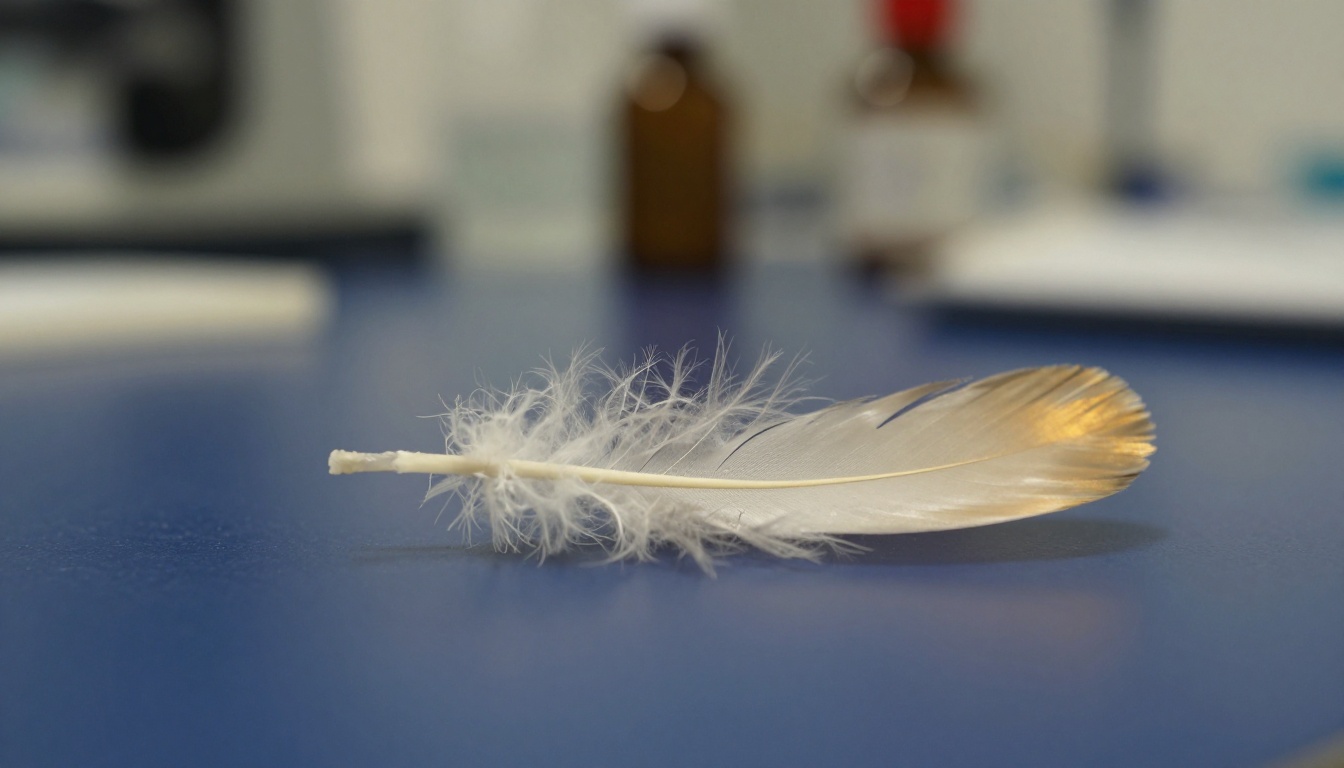
A study examining albinism, leucism, and melanism in barn owls sheds light on these rare genetic conditions in birds and their potential relevance to human albinism.
When we think about albinism, our focus often centers on humans, but this genetic condition affects many species across the animal kingdom. A recent study published in BioOne Complete examines color variations including albinism, leucism, and melanism in the Common Barn-Owl (Tyto alba), offering insights that may enhance our understanding of these conditions across species.
Researchers documented rare color aberrations in barn owls, carefully distinguishing between true albinism (characterized by a complete absence of melanin) and leucism (partial loss of pigmentation). According to the study, these distinctions are important not just for ornithology but potentially for broader genetic research that could benefit human medicine.
The barn owl, with its distinctive heart-shaped face, provides an interesting model for studying pigmentation disorders. The researchers note that while albinism occurs in approximately 1 in 20,000 humans, its prevalence in wild bird populations can be even rarer, making these documented cases particularly valuable.
Genetic Similarities
What makes this research potentially relevant to the albinism community is the genetic overlap between species. Many of the genes involved in pigmentation work similarly across vertebrates, from birds to humans. The researchers suggest that studying these mechanisms in different species may contribute to our collective understanding of how these genetic variations express themselves.
While the study primarily focuses on avian biology, it represents part of the broader scientific effort to understand melanin production and regulation—knowledge that could eventually support advances in treatments for various forms of albinism in humans.
Beyond Biology
The research also touches on ecological implications, noting how these color variations can affect survival in the wild—a reminder of the universal challenges that come with visible differences, albeit in very different contexts than human social environments.
For the albinism community, studies like this one underscore how widespread these genetic variations are throughout nature. They remind us that albinism is a natural genetic variation that appears across species—a normal, if uncommon, expression of genetic diversity in the living world.
Keywords
Core topics and entities mentioned in this summary.