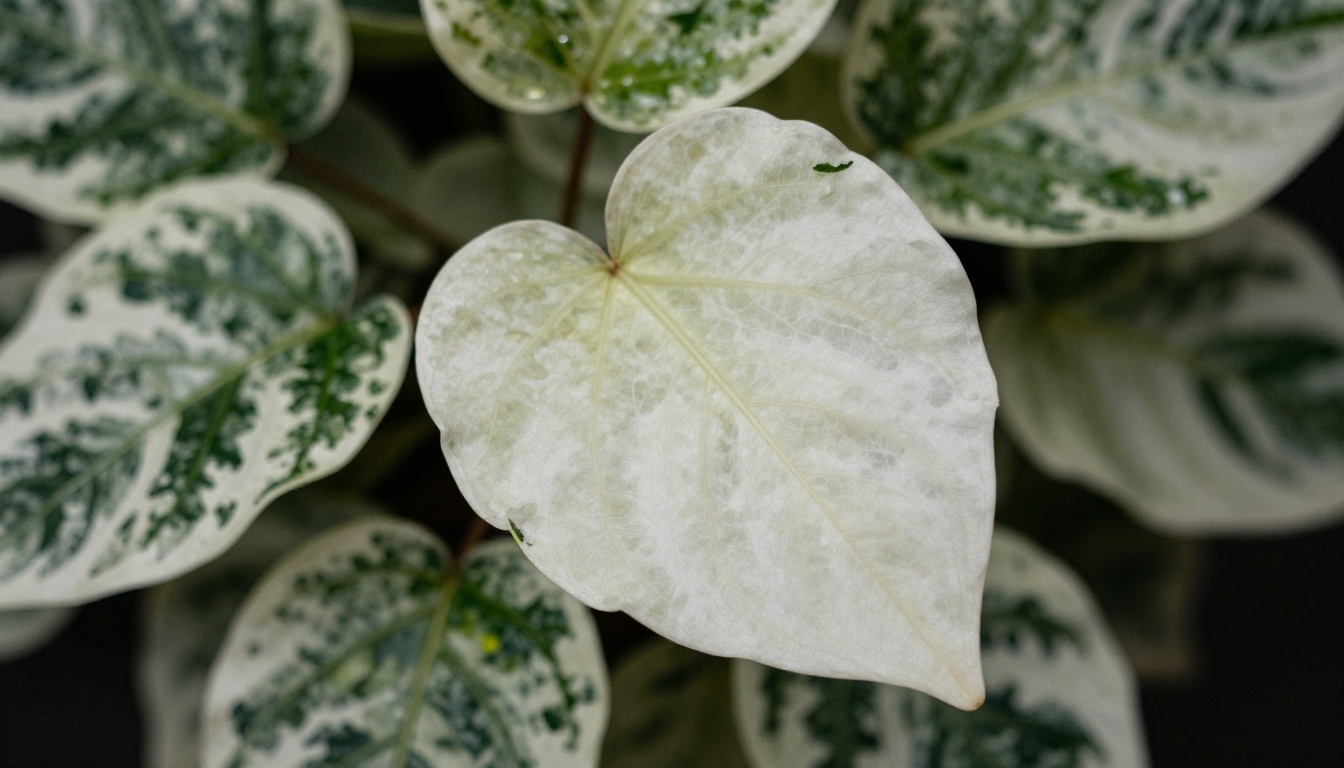
Exploring the fascinating world of plant albinism, its causes, and what makes these unique variegated plants special in both nature and home gardens.
While most discussions of albinism focus on humans and animals, this genetic condition also occurs in the plant kingdom, creating some of nature's most distinctive specimens. Plant albinism represents a fascinating biological phenomenon that both scientists and home gardeners find captivating.
According to House Digest, plant albinism occurs when specimens lack chlorophyll, the green pigment essential for photosynthesis. Without this vital compound, affected plants or plant sections appear white, cream, or pale yellow instead of their typical green coloration.
Unlike complete albinism in humans, plants more commonly express partial albinism, resulting in variegated patterns where some tissue lacks chlorophyll while other sections maintain normal pigmentation. These variegated plants have become prized ornamentals in home gardens and indoor collections for their striking appearance.
The Science Behind Plant Albinism
Plant albinism stems from genetic mutations affecting chloroplast development or chlorophyll production. The source explains that these mutations can occur naturally or be induced through selective breeding for ornamental purposes.
Fully albino plants face significant survival challenges in natural settings. Without chlorophyll, they cannot photosynthesize to produce energy from sunlight, making them dependent on stored nutrients in seeds. Once these reserves deplete, completely albino seedlings typically die unless they receive specialized care.
Variegated plants, however, can thrive because their green sections support the white portions through shared vascular systems. This biological cooperation allows these plants to become sustainable organisms despite their partial pigmentation loss.
Cultivating Albino and Variegated Plants
Many plant enthusiasts specifically seek out variegated specimens for their ornamental value. Popular examples include variegated monstera, snake plants, pothos, and numerous other houseplant varieties that display striking white or cream patterns against green backgrounds.
Caring for these special plants requires understanding their unique needs. According to the article, variegated plants often grow more slowly than their fully green counterparts due to reduced photosynthetic capacity. They may also require more careful light management – too little light hampers their already limited energy production, while too much direct sunlight can damage their vulnerable unpigmented tissues.
The phenomenon of plant albinism offers a window into the complex world of plant genetics and adaptation. For people with albinism, there may be something uniquely relatable about these botanical rarities that thrive despite their genetic differences, showcasing nature's remarkable diversity across all living organisms.
Keywords
Core topics and entities mentioned in this summary.