A new index finds African nations have strengthened health infrastructure, but funding has not kept pace with the improvements made.
A disease outbreak has a way of exposing what was already fragile. Released against the backdrop of an active Ebola outbreak, the new Africa Health Security (AHS) Index finds that progress in health preparedness across the continent is real — but unevenly supported.
The index, released today, documents meaningful gains in health security capacity across African nations in recent years, according to the report. At the same time, it identifies significant gaps in critical health infrastructure that leave those gains vulnerable.
Funding is the central fault line. The AHS Index found that financial investment in health systems has not kept pace with the capacity improvements those systems have achieved, IPS reported. Nations have built capability; the resources to sustain it have not followed.
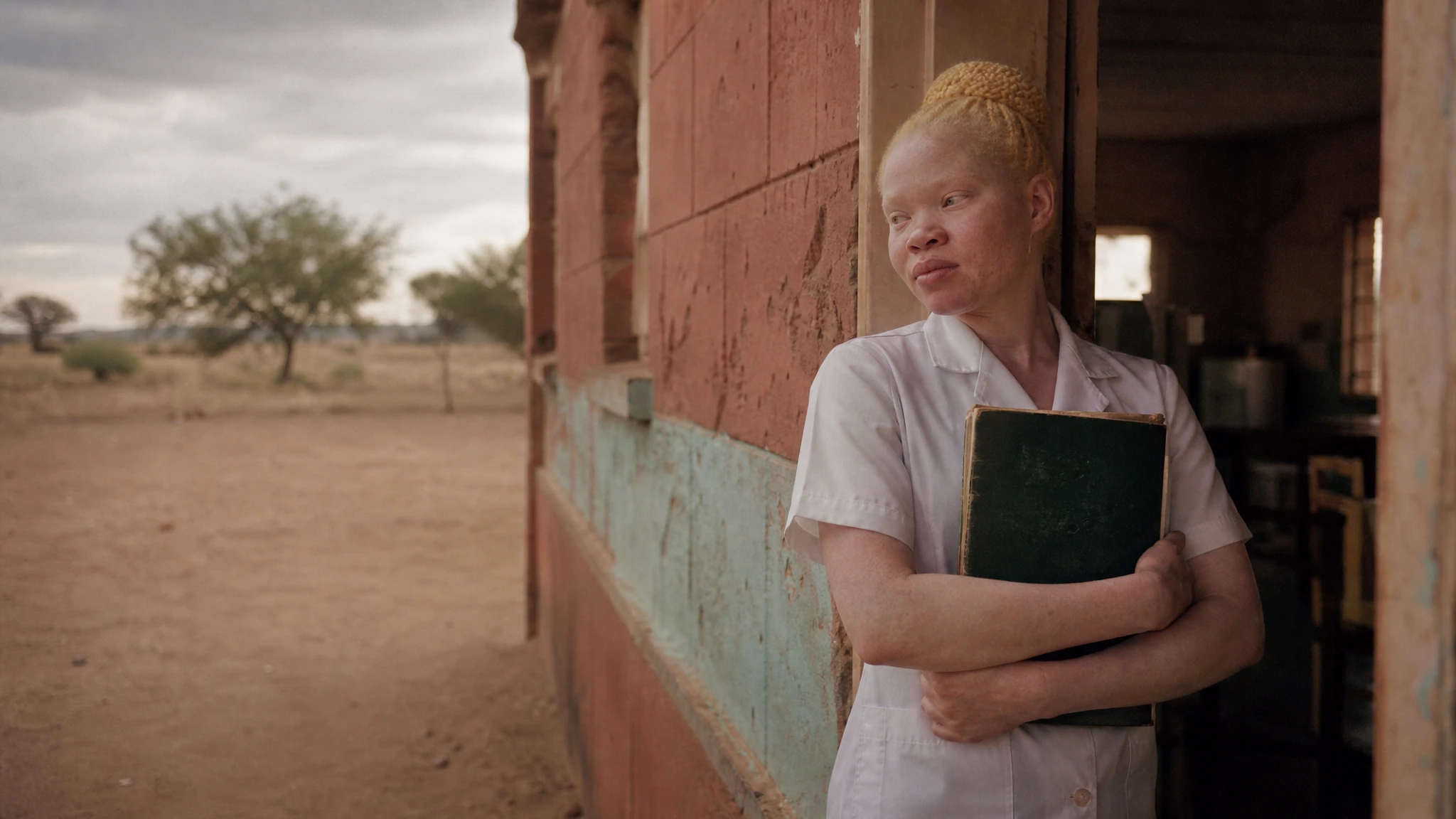
The report was published from Bulawayo, Zimbabwe, placing it within a region that has faced repeated public health emergencies and where communities with less access to medical care — including many people with albinism who rely on specialist dermatology and ophthalmology services — feel the weight of underfunded systems most directly.
The AHS Index does not address albinism specifically. But the structural conditions it describes — strained infrastructure, inconsistent funding, uneven geographic reach — are the same conditions that determine whether a person with albinism in a rural area can access sunscreen, a skin cancer screening, or low-vision support. Health security, at its core, is about who the system reaches when it is under pressure.
Keywords
Core topics and entities mentioned in this summary.