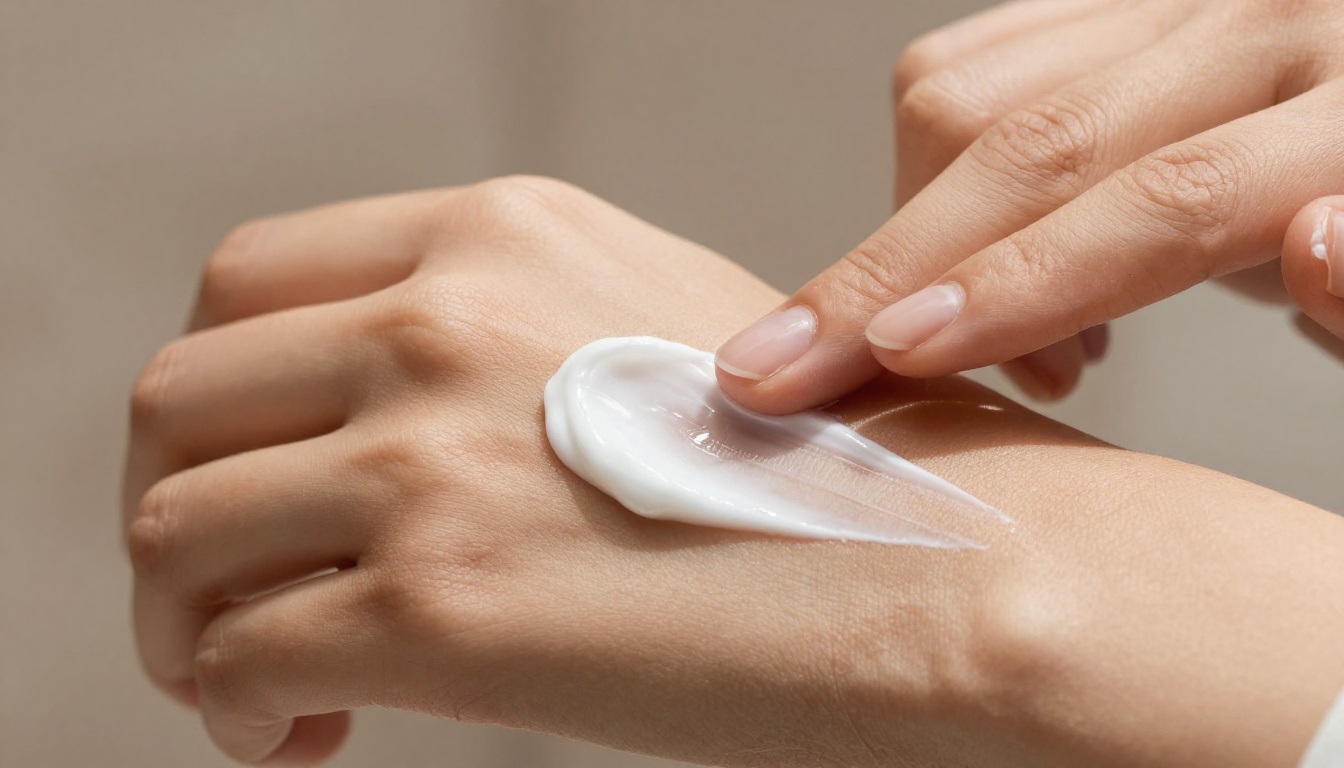
A new study reveals significant challenges in accessing essential skin treatments across Africa, affecting millions with atopic dermatitis.
For millions of people living with atopic dermatitis across Africa, one of the most fundamental treatments remains frustratingly out of reach. A recent study published in the Journal of Investigative Dermatology highlights how the accessibility and affordability of emollients—moisturizing treatments that form the cornerstone of atopic dermatitis management—has become a significant barrier to care.
Atopic dermatitis, a chronic inflammatory skin condition, affects up to 20% of children and 10% of adults across Africa, according to the research. For people with albinism, who already face heightened skin sensitivity and susceptibility to various dermatological conditions, this accessibility gap represents a particularly concerning challenge.
The Critical Role of Emollients
Emollients play an essential role in managing atopic dermatitis by strengthening the skin barrier and preventing symptom flare-ups. For individuals with the condition, consistent access to these treatments can mean the difference between managed symptoms and chronic discomfort that affects every aspect of daily life.
The cross-sectional survey, conducted between October 2023 and April 2024, gathered insights from dermatologists across 16 African countries. Their findings paint a picture of a fundamental healthcare disparity that affects millions of people, including many with albinism who may require these treatments as part of their regular skin care regimen.
Beyond Just Moisturizers
For people with albinism, who often contend with extremely dry skin alongside their increased susceptibility to sun damage, reliable access to quality emollients isn't merely a comfort issue—it's an essential health need.
The study highlights how the gap in accessibility to these basic treatments can dramatically worsen quality of life for those affected, creating a cycle where preventable flare-ups lead to more severe conditions requiring more intensive interventions.
As advocacy continues for better dermatological care across Africa, this research underscores the importance of including accessible, affordable emollients as part of any comprehensive approach to supporting skin health—particularly for vulnerable populations like those with albinism.
Keywords
Core topics and entities mentioned in this summary.